

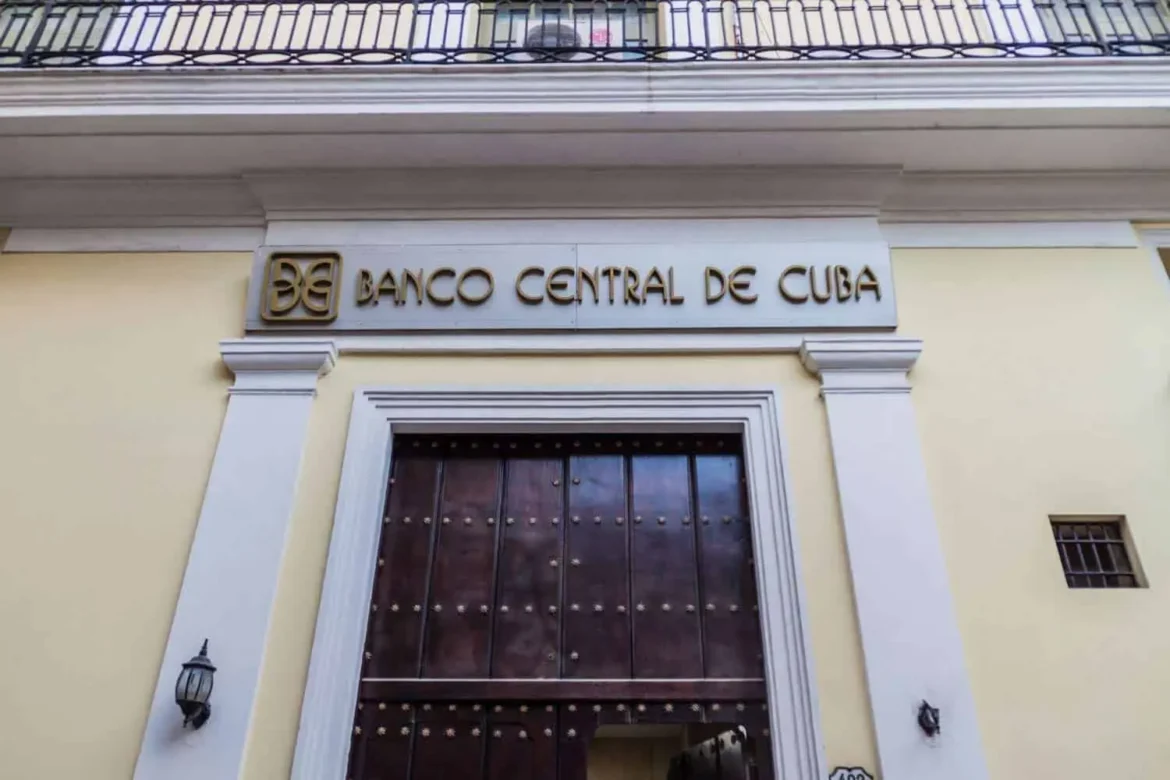
For the first time, the Central Bank of Cuba has authorized ten companies to use virtual assets for cross-border commercial operations. This measure, officially published in the *Official Gazette* on March 23, grants operating licenses to nine micro, small, and medium-sized enterprises (MSMEs) and one joint venture.
The authorized companies include Ingenius Tecnologías, Dofleini, La Calesa Real, La Meknica, Cema Soltec, El Asadito, Pasarela Digital SURL, Ara, DQ Dasqom SURL, and the joint venture Productos Sanitarios S.A. (Prosa).
The regulations stipulate that these entities may only utilize virtual assets for payments directly linked to their corporate purpose, with the aim of streamlining their operations amidst a landscape of complex international financial restrictions.
The resolution further specifies that the authorized legal entities must “conduct operations involving the purchase, sale, transfer, and custody of virtual assets exclusively through virtual asset service providers licensed by the Central Bank of Cuba to operate within the national territory. Conducting direct operations outside of these authorized platforms is expressly prohibited.”
Furthermore, they “must utilize only those virtual assets that the virtual asset service provider with whom they contract is authorized to handle.” Finally, the beneficiaries are required to submit quarterly reports detailing the amounts, the type of cryptocurrency used, and the intermediaries involved, thereby ensuring constant oversight by banking authorities. The license will have an initial validity of one year, with the possibility of renewal, provided that a request is submitted no less than sixty days in advance.
The Central Bank of Cuba warned that any failure to comply with established requirements, or the misuse of assets outside of authorized channels, will result in the immediate revocation of the permit. It is worth noting that the Resolution enters into force seven business days following its publication in the Official Gazette of the Republic.
Since 2021, the Central Bank of Cuba has regulated virtual assets within the country. In April 2022, the use of platforms for Bitcoin and other cryptocurrencies was authorized under official licenses. However, the current measure marks the first time that direct operating licenses have been granted to Cuban companies to execute international payments.
The sanctions imposed by the United States against Cuba create obstacles for individuals and companies seeking to conduct international financial transactions. Compounding this scenario is the impact of the oil embargo implemented by the U.S. government since January. These coercive measures have deepened the country’s financial instability, further limiting the operational capacity of Cuban economic actors in the global market.
IMAGE CREDIT: The authorization issued by the National Bank of Cuba aims to help these economic actors streamline their operations within an environment of complex international financial restrictions. Photo: @BrunoRguezP
[ SOURCE: teleSUR ]
