

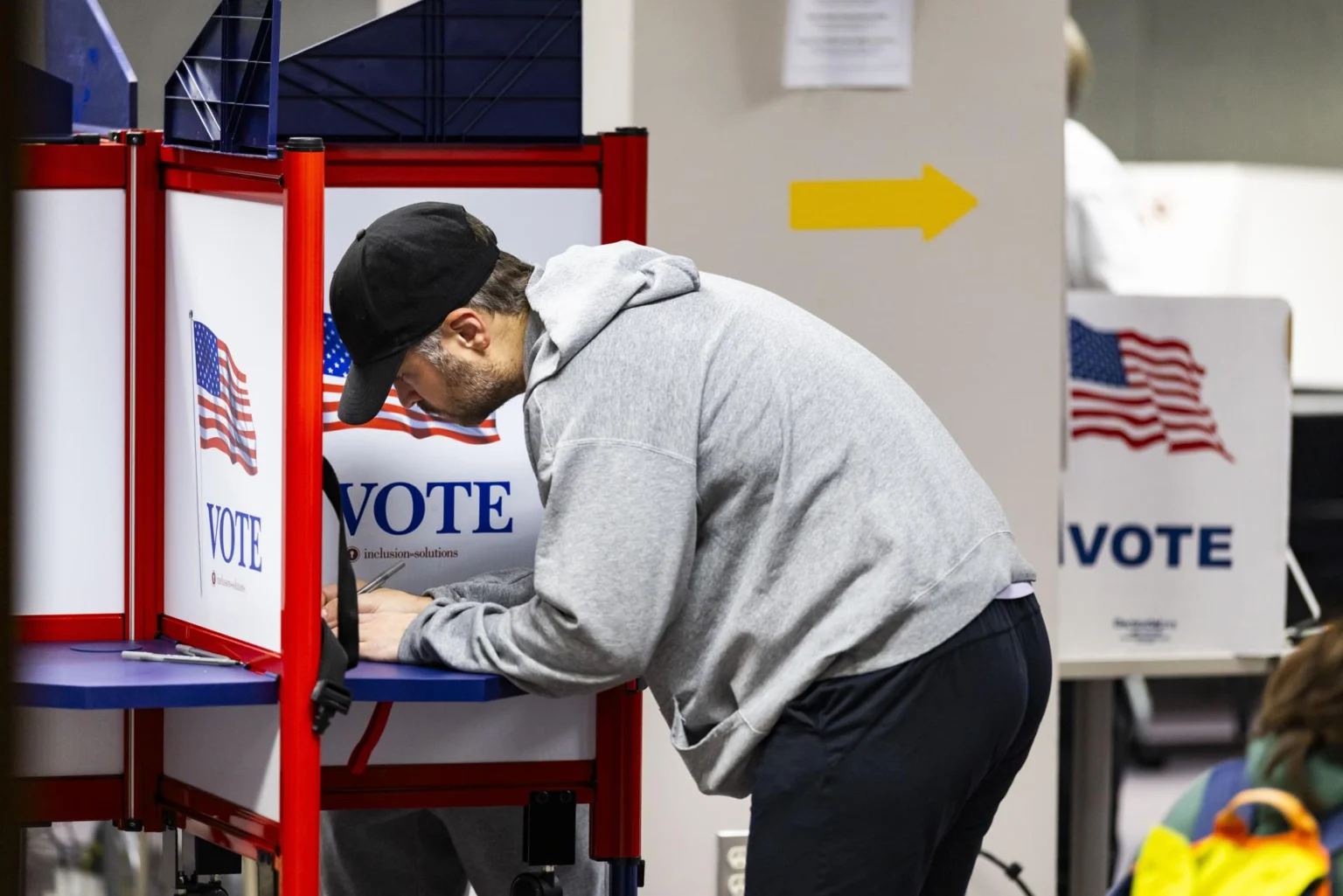
The U.S. electoral process records nearly 55 million early votes in the run-up to the midterm elections, according to data published by the University of Florida Election Laboratory (UFEL).
The tally keeps climbing with one day left before voters renew the full House of Representatives, a third of the Senate and scores of state and local offices. Roughly 250 million citizens make up the eligible electorate, so the advance vote already accounts for more than one in five potential ballots.
RELATED: Trump Plans About 20 Tele-Rallies Before Midterm Elections
Michael McDonald, who directs the University of Florida Election Lab, framed the surge in plain terms. “The volume of participation surpasses the marks of previous processes,” he stated, pointing to a broad mobilization across the decisive states.
A determining proportion of the electorate chose to cast ballots either in person or through the postal service before the official date, according to the lab’s figures. The data mark a significant jump in advance participation.
More than half of the ballots already submitted came through in-person voting at centers opened by local boards. The rest arrived through the traditional postal service, returned envelopes that will be processed alongside the Election Day vote.
Record Turnout Surges
The early vote has landed in the middle of a legislative contest that will define the new composition of the federal Congress. Analysts describe the outcome as pivotal, with control of both chambers hanging on the margins.
Voters themselves cite the same pressure. In UFEL’s research, respondents said “the pressure on supermarket cost of living works as a determining factor to go to the polls.” Some of those surveyed described the current economic situation in the United States as a silent depression.
That frustration has powered a mobilization that community organizations are working to extend through the final hours. They describe a “daily crisis” and have intensified calls to “ensure the participation of the bases before the general day,” steering key demographic sectors toward early voting centers.
The shift is already reshaping campaign logistics. Analysts warn that “party structures are redirecting financial resources toward oversight of the ballots already deposited instead of maintaining proactive campaigning.” The final stretch of a race once defined by persuasion now runs on protection and validation.
Standing legal teams are watching the counting centers to anticipate possible litigation over the validity of ballots. State and local governments, meanwhile, face monumental technical challenges in processing the administrative flood of data produced by weeks of advance voting.
The record participation has compressed the campaign calendar and stretched the counting machinery at the same moment. Whatever Tuesday brings, a substantial share of the electorate has already spoken, and both parties are now contending with ballots cast before a single polling place opened.
The early vote has turned the midterm into a race measured in envelopes and signatures as much as in turnout. With 55 million ballots already in and the count still rising, the contest’s arithmetic has shifted before Election Day even begins.
Author: Laura V. Mor
Source: Agencies
teleSUR: JP
