

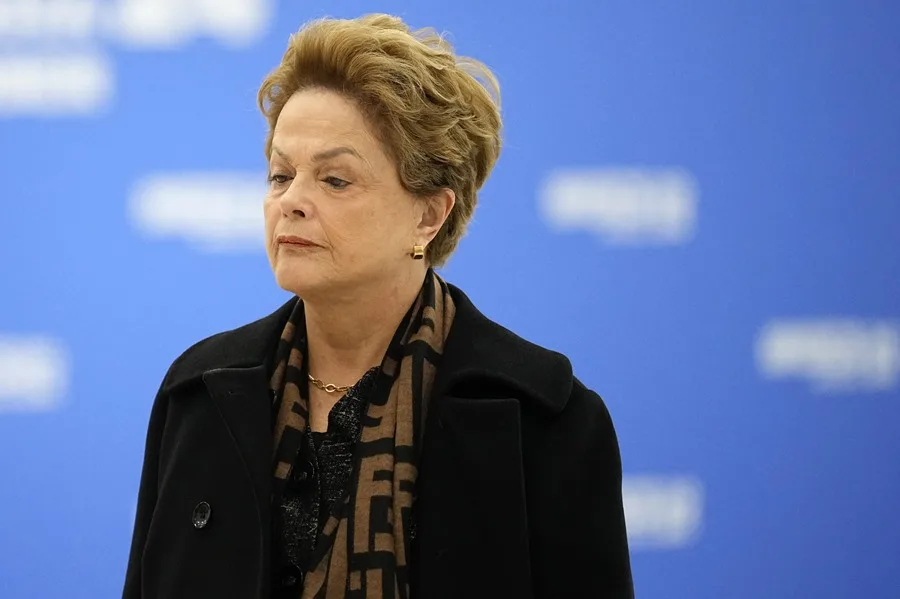
The ruling does not modify the rejection of that year’s accounts and refers to facts that were part of the political process that culminated in Rousseff’s impeachment in 2016.
RELATED: Brazil Withdraws Ambassador to Argentina Over Lula Win Remarks
Case rapporteur Odair Cunha assessed that there were not enough elements to individually hold the agents responsible for fines, saying the challenged decisions were based on technical and legal opinions and on the economic circumstances of that period.
“The records do not demonstrate intent or serious error in the alleged conduct, so I reject the imposition of fines,” Cunha said in his vote.
Augusto Nardes, the Union’s judicial accounts minister, agreed with the decision and recalled that the TCU had unanimously rejected the Rousseff government’s 2014 accounts, a ruling unchanged by the archiving.
The investigation arose from a complaint filed in December 2014 by Aécio Neves—then a senator and the presidential candidate defeated by Rousseff—along with other lawmakers. The document questioned the management of fiscal targets, the opening of supplementary credits and the scheduling of federal spending.
The TCU’s technical team considered that, given forecast lower-than-expected revenues and increased mandatory spending, the government should have limited disbursements by 28.8 billion reais under the Fiscal Responsibility Law. The government’s initial 2014 target contemplated a primary surplus of 116.1 billion reais, and legislation allowed deducting up to 67 billion linked to Growth Acceleration Program (PAC) investments and tax exemptions. In November of that year, the Executive submitted a proposal to Congress to modify the fiscal target and allow the total deduction of those expenses, approved in December; the TCU considered the obligation to limit spending remained in force while the proposal was debated.
Author: vmmh
Source: brasil de fato / agencies
Source: teleSUR
