

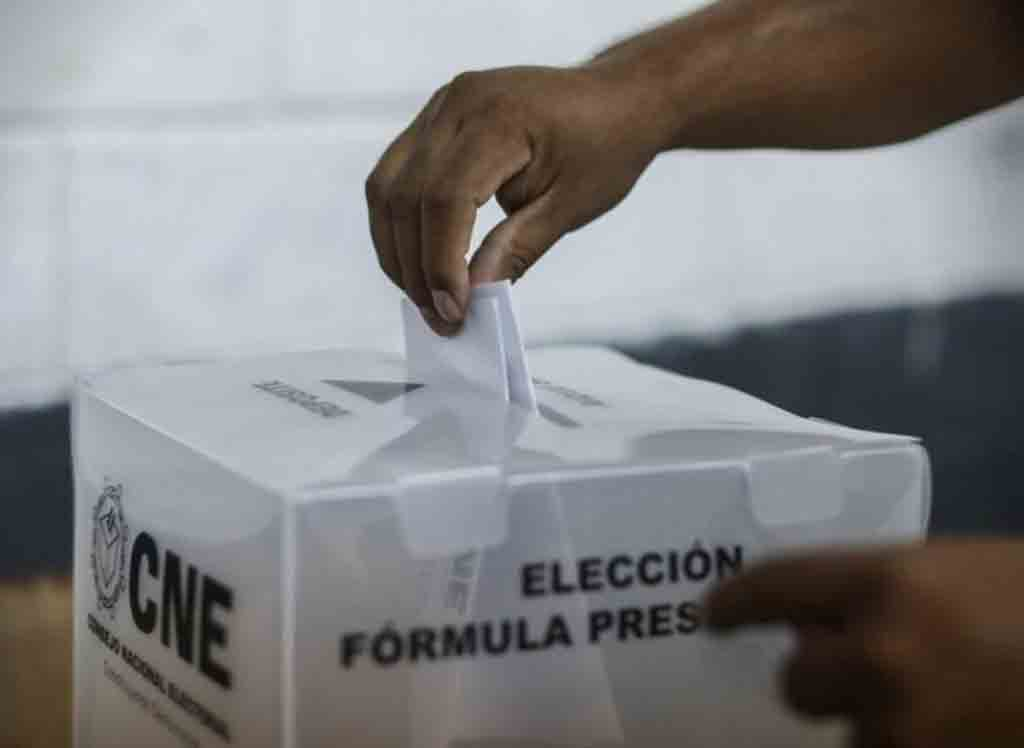
The campaigning of the parties vying to lead this Central American nation for the 2026-2030 term ended at midnight, giving way to five days in which more than six million registered voters will reflect on their vote.
This regulation marks the end of mass rallies and prohibits all propaganda and explicit announcements by candidates, who may only refer to their policy proposals but may not solicit votes.
In the lead-up to the electoral silence period, the presidential candidates of the Liberty and Refoundation Party (LIBRE, in power), the National Party (PN), and the Liberal Party (PL) held their closing campaign events over the weekend with caravans, rallies, and final speeches.
The National Electoral Council (CNE), the electoral body responsible for the elections, stated that these five days aim to reduce polarization and allow voters to make a mature decision about who will lead the country for the next four years, especially in key areas such as health, employment, education, and security.
More than 6.5 million Hondurans, out of a population of 10 million, are eligible to vote in a single round to elect the new president, three vice presidents, 298 mayors, 128 members of the National Congress (Parliament), and 20 members of the Central American Parliament.
The presidential candidates with the best chances of winning are Rixi Moncada, of LIBRE; Nasry Asfura, of the PN; and Salvador Nasralla, of the PL, the two traditional right-wing parties that ran the country uninterruptedly from the late 19th century to January 2022.
