

Specialists warned that limiting the hearing to two days reduces direct citizen participation.
On Wednesday, the Argentine Chamber of Deputies began public hearings on the reform of the Glaciers Law, approved by the Senate in February, with an expected participation of 100,000 people.
The public hearings, a non-binding mechanism for citizen participation created by decree in 2003, began with 200 in-person speakers and will continue with 200 virtual speakers, in addition to submitted written and video contributions.
The hybrid system was promoted by La Libertad Avanza (LLA), the party of far-right President Javier Milei. It supposedly seeks “transparency” in decision-making and “to amplify” the voices of experts and ordinary citizens.
Organizations such as the Environment and Natural Resources Foundation (FARN), Greenpeace, the Argentine Association of Environmental Lawyers, and the University Network for the Climate Crisis requested precautionary measures to guarantee the oral participation, in person or virtually, of all registered participants.
These organizations warned that limiting the hearing to two days reduces direct participation and distorts the mechanism, emptying the participatory process of its content. Meanwhile, Peronist deputies filed a formal challenge against the public hearing.
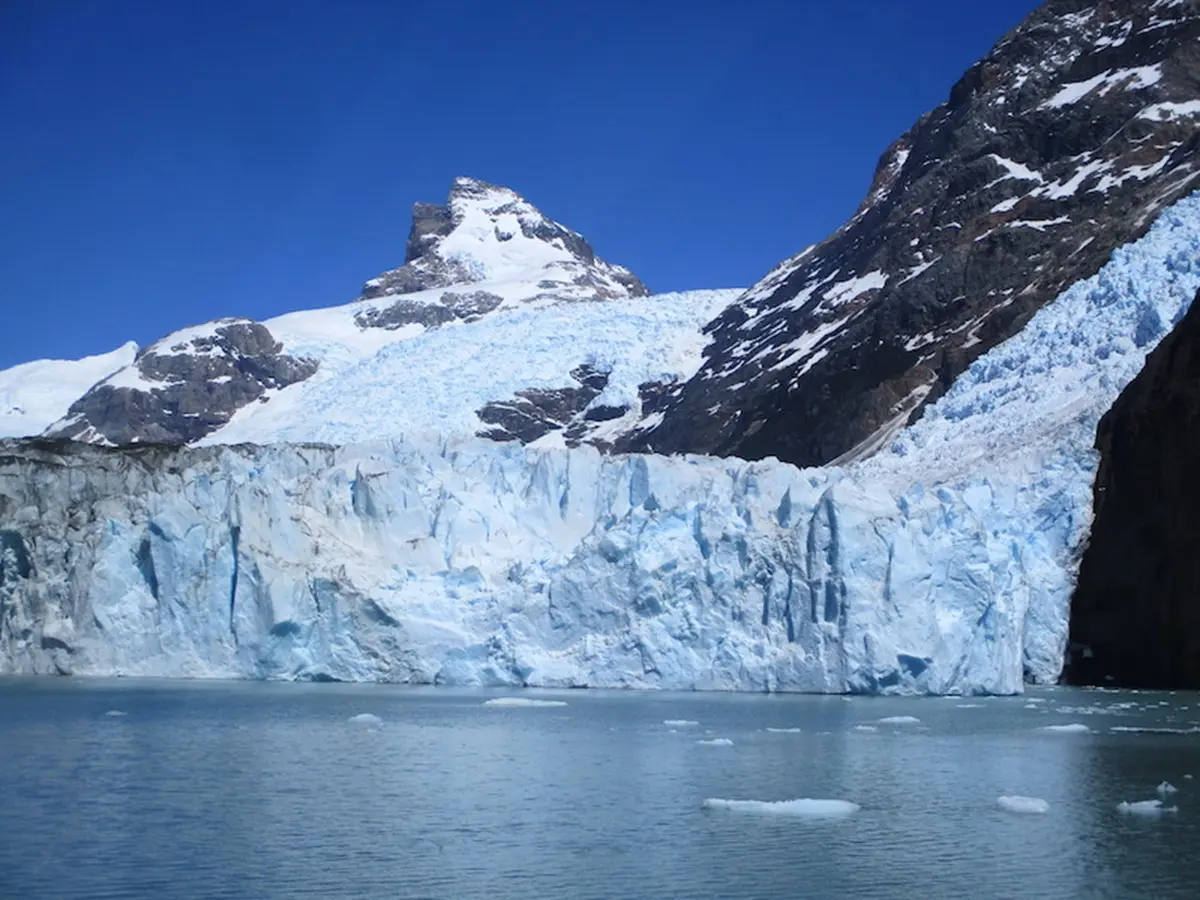
In 2010, Law 26,639 prohibited mining, hydrocarbon, and industrial activities in glaciers and periglacial environments, protecting water and ecosystems. However, Milei’s reform grants provinces the power to define periglacial zones authorized for mining.
Agostina Rossi, biodiversity specialist at Greenpeace Argentina, noted that glaciers feed 36 vital watersheds. Meanwhile, Juan Carlos Villalonga, advisor to the Circle of Environmental Policies, pointed to reports of glacier destruction dating back to the 1990s.
Cristian Fernandez, lawyer and legal coordinator for FARN, warned that mining destroys irreversible ecosystems. Paz Gonzalez, consultant for the Avina Foundation, noted negative impacts on agriculture, viticulture, livestock farming, and regional tourism.
Wildlife Foundation Director Manuel Jaramillo pointed out non-compliance with the General Environmental Law and the Escazu Agreement, anticipating legal challenges.
Lucas Ruiz, an independent glaciology researcher, warned that arbitrary criteria will lead to the elimination of small glaciers. Dust from mining activities would accelerate melting, increasing climate change and the loss of essential water reserves for arid zones.
In Mendoza, provincial authorities have approved eight mining projects in periglacial environments. Jaramillo denounced irregularities in environmental impact assessments and questioned the real benefits of mining for local communities.
Meanwhile, Milei stated in Congress that mining would generate “one million jobs.” Greenpeace and FARN published a document, “10 Myths and Fallacies about the Glacier Law,” to refute these claims that lack evidence.
Citizens have been trying to reverse the reform since December 2025. Jaramillo concluded that, if the Chamber of Deputies approves the amendment, legal action will be the only way to save glaciers and periglacial environments.
