

18 million people in this Latin American country have suffered cyberbullying.
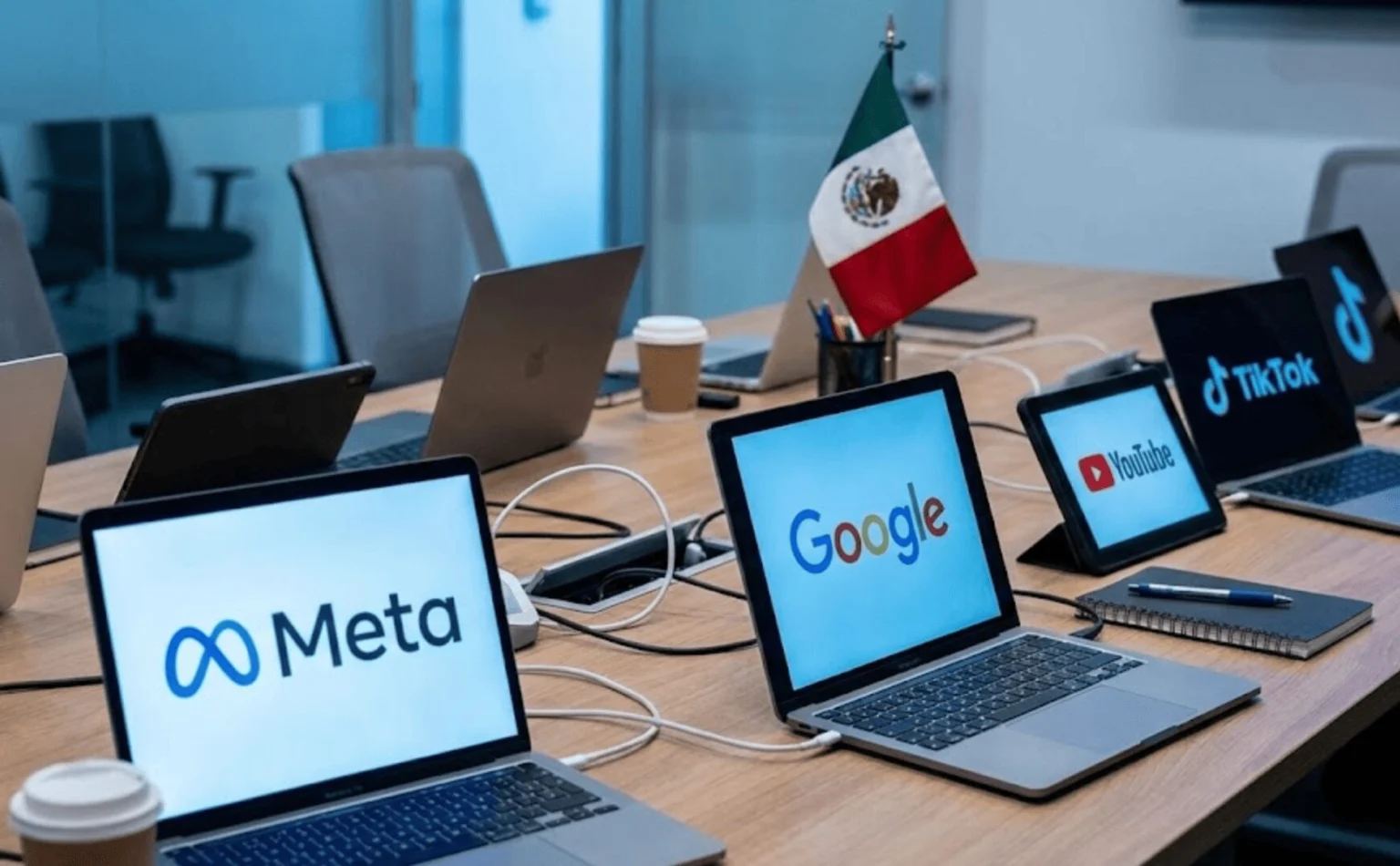
On Wednesday, the Mexican government announced an agreement with Google, Meta, and TikTok to prevent and address digital violence, a phenomenon affecting millions of people in the country, especially young women.
RELATED:
Google Pays US$135 Million for Illegally Collecting Users Data
Secretary of Women’s Affairs Citlalli Hernandez explained that the goal is to strengthen prevention, victim support, and cooperation with technology companies in cases of harassment, dissemination of intimate content, and online attacks.
According to the National Institute of Statistics and Geography (INEGI), 83.7% of Mexicans use Internet. They represent 90 million people, 18 million of whom have suffered cyberbullying, with a greater impact on women.
Hernandez pointed out that women face sexual advances, identity theft, and the dissemination of intimate images, which generate severe emotional effects such as fear, insecurity, stress, and frustration.
The text reads, “Online harassment is evolving with the use of AI and primarily affects women. Deepfakes, voice cloning, stalking, and doxxing are new forms of violence that seek to intimidate and violate privacy. In Mexico, more than 22% of women online have experienced cyber harassment.”
The agreement includes nine prevention measures and eight support measures, including educational campaigns, raising awareness of reporting tools, cooperation with authorities, and the creation of guides for reporting violent content.
Mexico had already made progress with the Olimpia Law, which criminalized the dissemination of intimate content without consent and established a pioneering legal framework in the region.
President Claudia Sheinbaum stated that the agreement is part of a broader strategy against violence against women, emphasizing the need for a cultural shift to prevent the normalization of online harassment.
She criticized the absence of the social media platform X (Twitter) from the meetings, noting that it is one of the platforms where hate and violence are most prevalent, although she clarified that censorship is not the goal of the agreement.
[ SOURCE: teleSUR ]
