

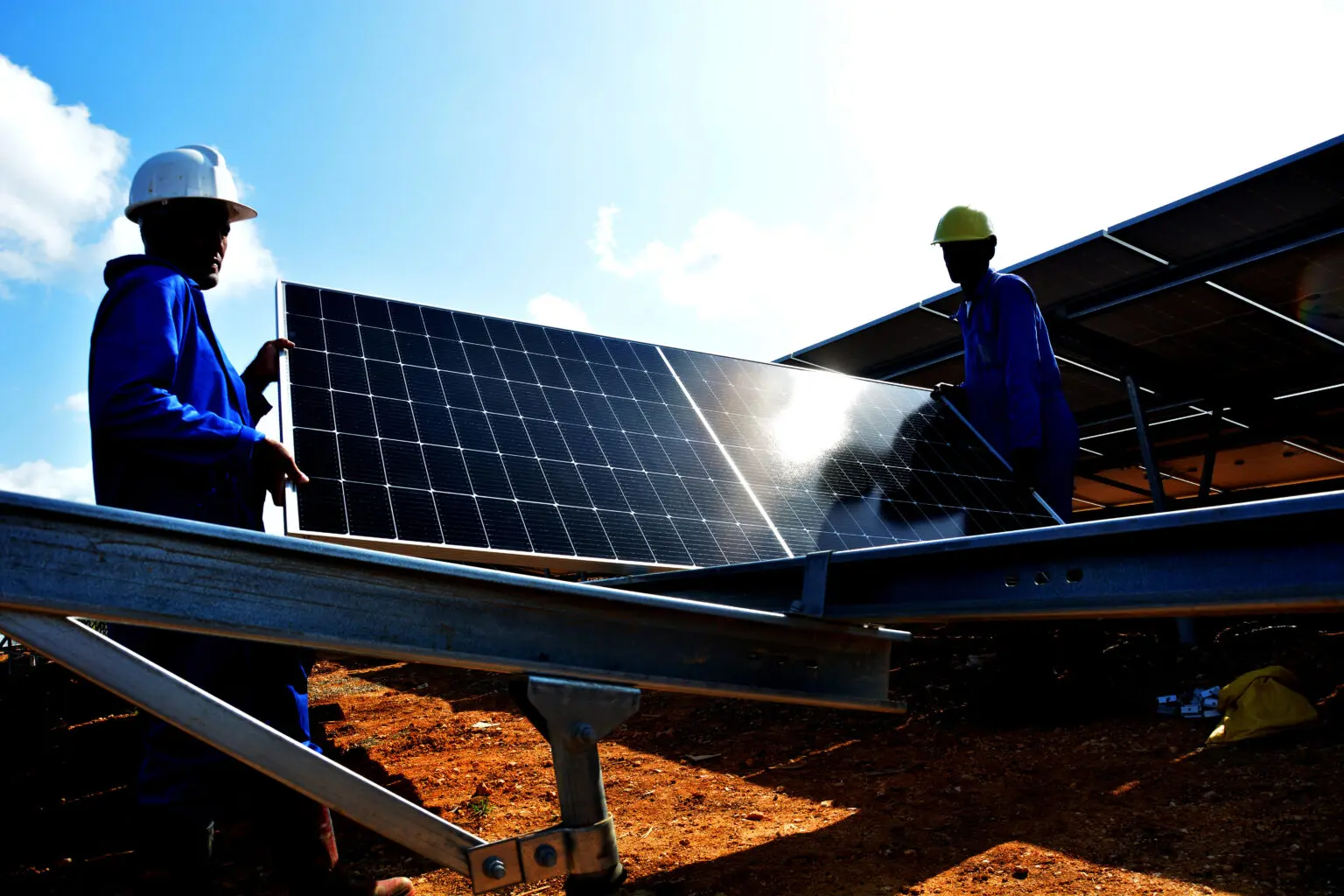
The installation of photovoltaic systems is an urgent priority to ensure basic services in Cuba independently from the National Electricity System, amid the growing pressure of the U.S. blockade.
Cuba is rapidly installing solar photovoltaic systems in key vital centers across the island, aiming to mitigate its severe energy crisis and bolster independence from the national grid.
This urgent initiative, spearheaded by state-owned company Copextel, is driven by the imperative to ensure basic services amidst persistent fuel scarcity exacerbated by the U.S. blockade.
RELATED: Cuba Receives International Solidarity Delegation, Denounces U.S. Blockade Consequences
As part of Cuba’s national strategy to alleviate its energy crisis, Copextel is actively installing 1,064 solar photovoltaic systems. These units are part of a larger consignment of 2,671 designated for crucial centers in all municipalities nationwide, reflecting a comprehensive approach to energy self-sufficiency.
Text reads: “Two polyclinics, two nursing homes, two grandparents’ homes, a mother’s home and the extension of the Gerardo Alvarez de Colon polyclinic benefit from the installation of 2 kW solar panel kits.”
Each of these systems boasts a capacity of 2 kilowatts (kW) and originates from a substantial donation of 5,000 units provided by China. To date, 141 installations have been successfully completed, with Havana, the capital, leading the progress with 55 assembled systems out of 68 planned.
Text reads: “China’s Ambassador to Cuba, Mr. Hua Xin, visits vital centers where 2 kW photovoltaic systems have been installed. Among them the Policlinico Cosme Ordoñez and Policlinico Hector Terry, both in the municipality of Plaza de la Revolucion, in Havana.”
According to Copextel authorities, this deployment is an urgent priority designed to guarantee the provision of basic services independently of the National Electric System.
In parallel with the installation of the larger systems, a dedicated program for compact modules is nearing its final phase, targeting the completion of these installations by the end of March.
Text reads: “Eight health institutions in Colon have begun to install 2-kW photovoltaic solar panel systems as part of the national strategy for changing the energy mix and protecting essential services from the electro-energy situation.”
This initiative targets essential workers in Public Health (4,000 beneficiaries), Education (3,000), and National Heroes of Labor (405). With an impressive 98% execution rate, 9,971 modules have already been installed out of a projected total exceeding 10,000 units.
These compact systems include panels and power stations ranging from 800 watts (W) to 1,200 W. They are acquired by the Cuban state and made available to beneficiaries in national currency through favorable bank credit facilities.
The installed units utilize isolated technology, enabling them to generate electricity autonomously from solar radiation, without any reliance on the national electric grid. These actions represent a significant advancement in transforming the country’s energy matrix, gaining heightened relevance within the current complex geopolitical and economic context.
The pressing need for these programs directly responds to Cuba’s challenging energy situation, primarily stemming from severe fuel scarcity caused by the ongoing U.S. blockade.
On January 29, U.S. President Donald Trump signed an Executive Order empowering Washington to impose tariffs on goods originating from countries that supply oil to Cuba. This aggressive action by the White House seeks to suffocate the island’s energy logistics, compelling the nation to vigorously pursue renewable energy alternatives to sustain the vitality of its essential services and safeguard its sovereignty.
Copextel also continues its crucial work in developing photovoltaic parks synchronized with the National Electroenergetic System (SEN, in Spanish), having successfully completed 31 projects last year across 13 provinces.
It is important to thank and recognize the great effort that our workers are making today in such a beautiful and important task as to give vitality 24 hours of photovoltaic energy and storage to the vital centers of our country.
Currently, efforts are underway to finalize an additional nine parks, with new projects already being planned, reaffirming the company’s steadfast commitment to the transformative shift in the energy matrix for both the corporate and residential sectors across Cuba.
