

Social organizations in Ecuador have activated the recall process against President Daniel Noboa and Vice President María José Pinto, a constitutional mechanism that allows for the early termination of elected officials’ terms, given the public discontent with their policies on security, the economy, and social spending cuts.
RELATED:
Andean Community Takes Up Ecuador-Colombia Trade War Appeals
The initiative requires the support of 15 percent of registered voters, equivalent to more than two million valid signatures, to proceed to a referendum. According to the established legal framework, this process can only be formally initiated after the first year of the presidential term and before its final year.
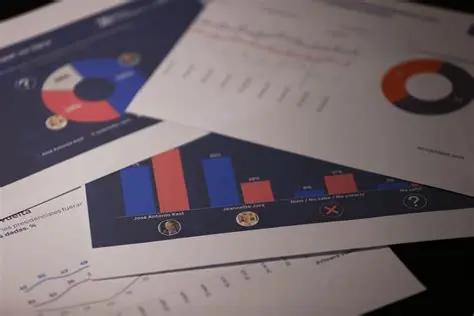
Washington Andrade, spokesperson for the recall platform, announced that simultaneous petitions to begin the process against the presidential pair will be submitted on June 5, 2026. Andrade emphasized that current polls indicate that over 70 percent of citizens disapprove of the government’s performance, and over 61 percent are willing to sign the forms that the National Electoral Council (CNE), the body responsible for validating signatures to trigger mandatory voting, will have to verify.
For his part, Guido Perugachi, president of the National Confederation of Peasant, Indigenous, and Black Organizations (Fenocin), denounced the regime for prioritizing the payment of $12.6 billion to the International Monetary Fund (IMF), while strategic sectors such as security, health, and education face neglect. This stance reflects the Latin American perspective of social struggle against neoliberal policies.
Testimonies from Quito confirm the crisis in the public system. Citizens report that the Executive’s decisions directly affect the most vulnerable sectors and that Noboa governs disconnected from reality through social media. Mothers caring for people with intellectual disabilities reported the suspension of the Human Development Bonus they received during Rafael Correa’s administration, under the official argument that they do not deserve it, leaving them in a vulnerable situation.
Likewise, users of the public health system report a decline in services provided by the Ministry of Health. At the Eugenio Espejo Hospital, a national referral center, relatives of patients denounce shortages of medical supplies and a lack of basic food, receiving only a loaf of bread in the mornings. These situations demonstrate a decline in the quality of life for Ecuadorians and underpin the public demand for a change in government through a recall election in Ecuador.
[ SOURCE: teleSUR ]
