

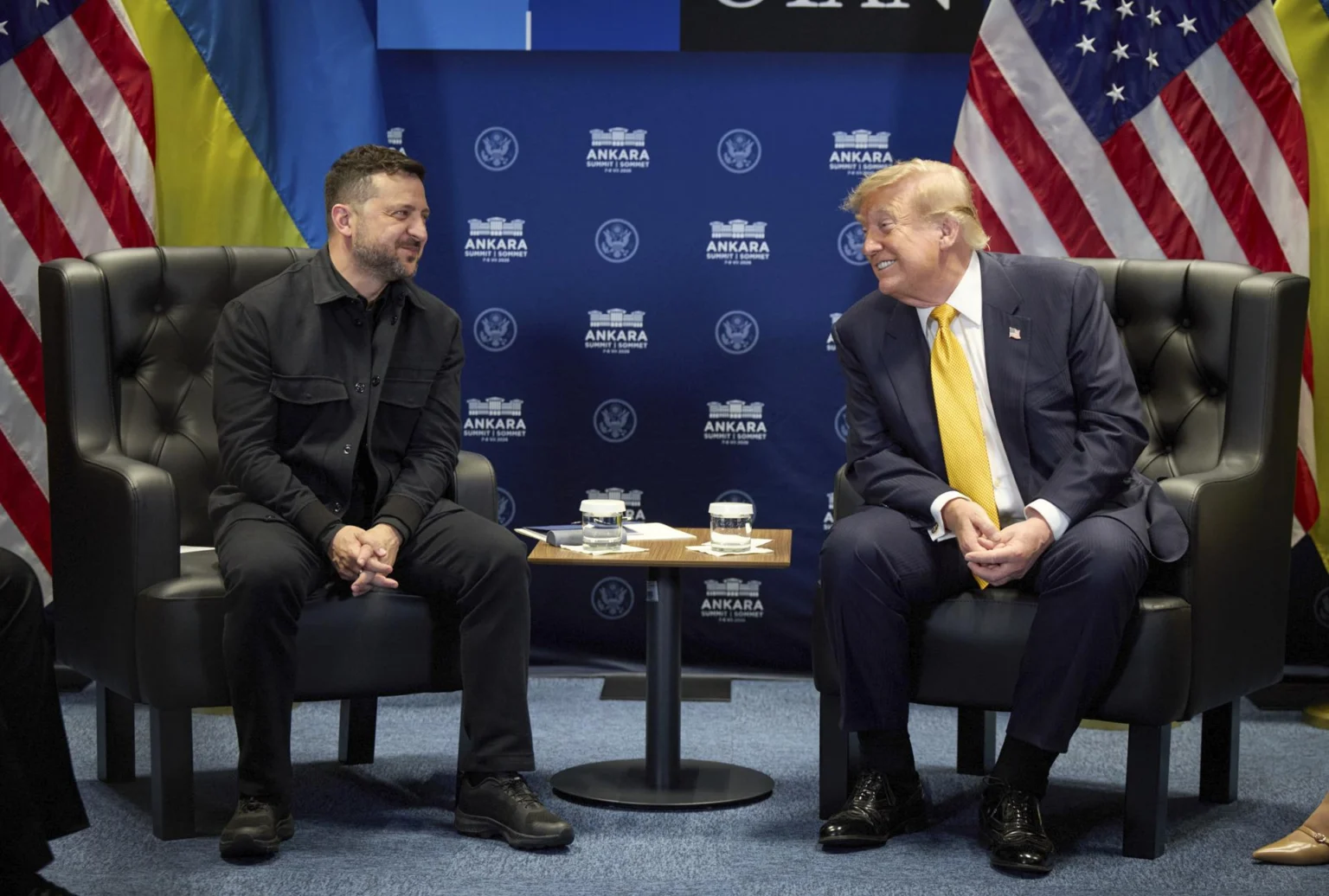
The North Atlantic Treaty Organization (NATO) formalized a €70 billion financial package for Kiev until 2027 during the Ankara summit, as global critics warn the funding may prolong the armed conflict and benefit the defense industry.
European allies and Canada currently finance the majority of security assistance through bilateral and multilateral mechanisms, according to the official statement.
RELATED: Twelve European Countries Commit $50.6 Billion to Long-Range Missiles for NATO
NATO Secretary General Mark Rutte stated in a press conference that allied nations reaffirmed their backing for Kiev as part of a sustained strategy. Rutte confirmed the immediate target of €70 billion for this year, with the same minimum level secured for the next period, emphasizing that the objective remains maintaining Ukrainian defense capabilities while pursuing diplomatic avenues for conflict resolution. Of the total approved amount, €30 billion originates directly from a European Union loan, reinforcing a multi-layered funding structure.
The North Atlantic Treaty Organization adopted a joint declaration that consolidates financial resources from both European community mechanisms and national contributions.
The declaration insists that support must remain equitable, predictable, and sustainable over the long term, addressing internal debates about burden-sharing among member states. NATO also reiterated that Ukraine contributes to transatlantic security and that allied nations remain united in supporting the territorial integrity and sovereignty of the country.
Criticism and Diplomacy
Simultaneously, multiple critical voices have questioned the scope of these financial commitments. International analysts and civil society groups argue that continued military financing may directly prolong the armed conflict and benefit multinational defense corporations. These positions raise fundamental questions about the political and economic sustainability of long-term military support amid escalating global tensions.
On the diplomatic front, U.S. Secretary of State Marco Rubio stated during a meeting between President Donald Trump and Ukrainian President Volodymyr Zelensky that increased Ukrainian strikes inside Russian territory could accelerate an end to the Ukraine war. Rubio argued that Russia faces difficulties defending its airspace, a dynamic that, in his view, creates opportunities for peace negotiations.
For his part, President Trump expressed his expectation that both Zelensky and Russian President Vladimir Putin remain interested in reaching a short-term peace agreement. The potential diplomatic breakthrough contrasts with the massive military buildup approved by the alliance, highlighting the contradictory nature of the current geopolitical strategy pursued by Western powers in Eastern Europe.
Author: Laura V. Mor
Source: Agencies
Source: teleSUR English
