

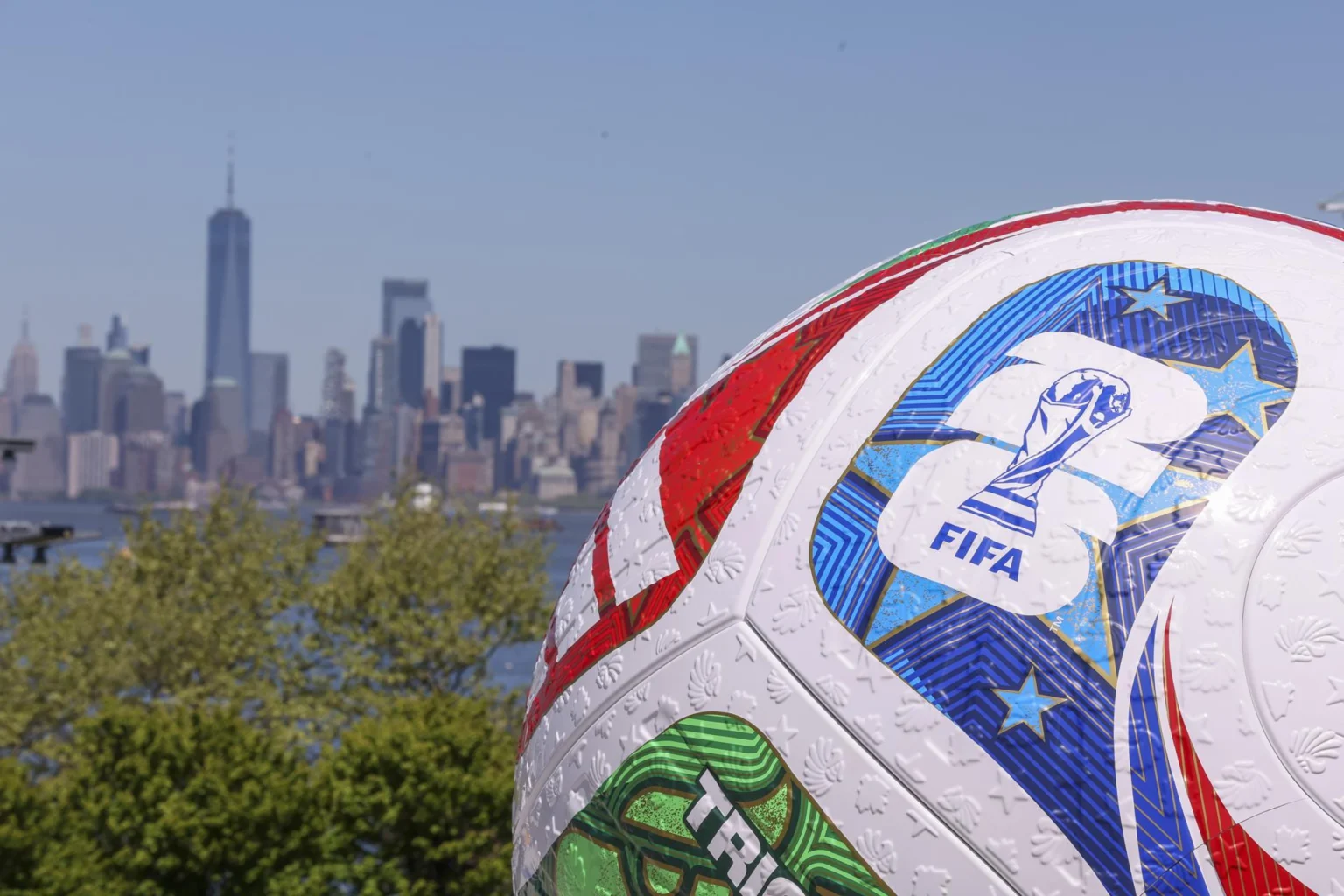
The International Federation of Association Football (FIFA), alongside the International Football Association Board (IFAB), has formalized a series of regulatory modifications set to be implemented during the FIFA World Cup 2026.
These changes are centrally aimed at maximizing the effective playing time and curtailing deliberate interruptions that frequently disrupt the dynamic flow of a sporting spectacle.
RELATED: Mexico, South Africa Open FIFA World Cup 2026, Security Protocols Activated
The premier global football event will unfold in stadiums across Mexico, Canada, and the United States, commencing on June 11 and concluding on July 19. This expansion across three nations brings with it new challenges and opportunities for the sport’s global governance.
Measures Against Time-Wasting
One of the most prominent regulations focuses on substitutions. Starting from the tournament, a replaced player will be allotted a maximum of ten seconds to exit the field of play. In instances of non-compliance, the incoming footballer will be required to wait for one minute outside the field before receiving authorization to enter, thus directly penalizing strategic delays.
Similarly, strict limits have been imposed on game restarts. For goal kicks, teams will have a mere five seconds; exceeding this timeframe will result in a corner kick being awarded to the opposing team. Regarding throw-ins, the limit will also be set at five seconds, with the penalty being the cession of possession to the opposing team. These reforms are designed to maintain continuous gameplay.
Adjustments to Medical Assistance and Discipline
To combat simulations, players who receive medical attention will be mandated to remain off the field for an obligatory one minute. This measure seeks to disincentivize exaggerations often utilized to slow the pace of the match at critical junctures, promoting a more genuine and uninterrupted contest.
Regarding interaction with referees, FIFA will enforce a “zero-tolerance” policy: only the team captain will be permitted to address the central referee. Any other footballer who attempts to intervene or protest will face an automatic yellow card sanction. This aims to reduce dissent and allow officials to manage the game more effectively.
Furthermore, in situations involving the “advantage rule,” an infractor who sought to impede a scoring opportunity will not be cautioned if the play ultimately results in a goal. This prioritizes the fluidity and outcome of the sporting result over a prior administrative sanction, encouraging continued attacking play. With this comprehensive package of reforms, the governing body endeavors to foster a more transparent and agile competition, benefiting both fans and athletes.
Expansion of VAR and Squads
The Video Assistant Referee (VAR) will expand its functions to guarantee enhanced sporting justice. Its interventions will now encompass:
The review of second yellow cards.
The correct adjudication of wrongly signaled corner kicks.
The rectification of cards mistakenly shown to incorrect players.
Finally, it has been officially confirmed that national team squads will be expanded to 26 players. This increase of three spots addresses the heightened physical demands stemming from the increased number of matches in the tournament’s new format and the pursuit of a more extended period of actual playing time. This expansion provides coaches with greater tactical flexibility and supports player welfare through increased rotation options.
[ SOURCE: teleSUR ]
