

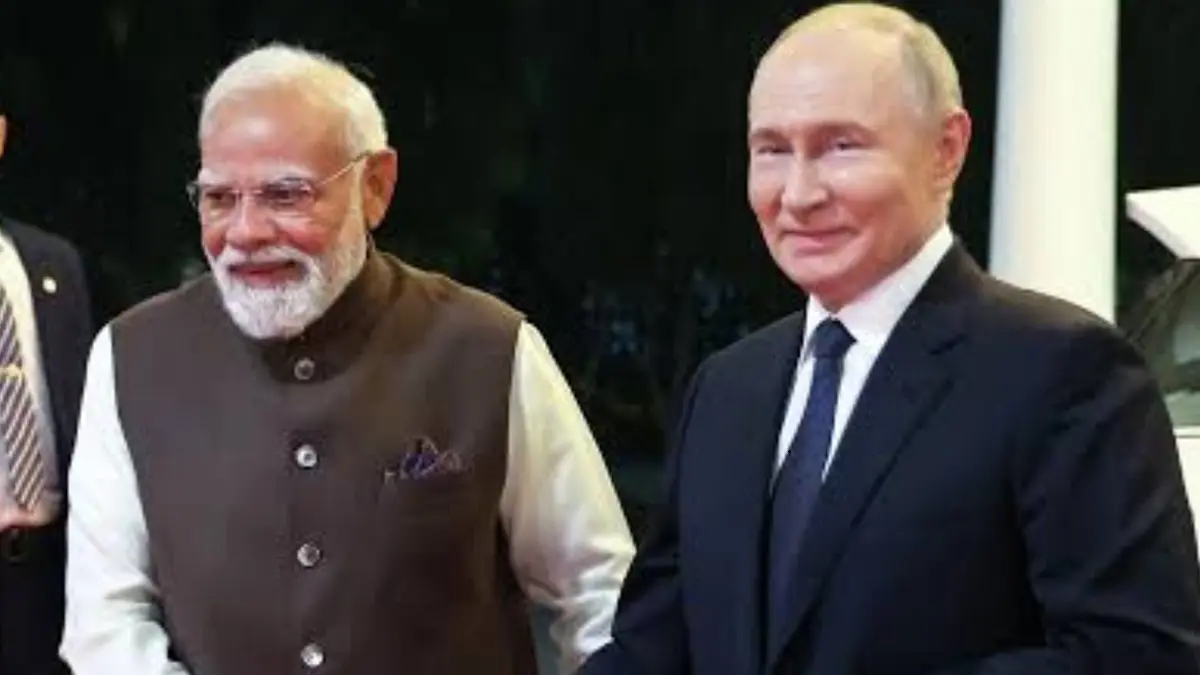
On Tuesday, Indian Foreign Ministry spokesman Randhir Jaiswal confirmed the existence of negotiations to deepen his country’s energy cooperation with Russia.
RELATED:
India Builds Economic Bridges As Trade Barriers Increase Around The World: Modi
“We want to move forward with this energy cooperation with Russia. Both sides have been holding talks, and the technical teams have been discussing the matter. Energy cooperation between India and Russia is an important pillar of our partnership,” Jaiswal said.
His statement came four days after Indian Prime Minister Narendra Modi and Russian President Vladimir Putin met in New Delhi to review the status of energy, defense and space agreements.
Trade between New Delhi and Moscow grew closer following the war in Ukraine, after which Russia became India’s main oil supplier. This situation has generated continued friction with Washington, which has imposed sanctions, tariffs and price caps on buyers of Russian crude in an attempt to curb the Kremlin’s energy revenues.
In March, the White House was forced to grant a temporary exemption to allow the delivery of Russian oil shipments stranded in transit, in an attempt to ease pressure on the global market caused by the U.S. war on Iran and the closure of the Strait of Hormuz.
During the news conference, the Indian diplomat was asked about U.S. pressure over a bill that seeks to impose 100% tariffs on countries that trade in Russian crude. In response, Jaiswal reiterated that India’s energy supply is guided strictly by its “national interest.”
Meanwhile, West Texas Intermediate crude (WTI) rose 0.43% Tuesday to US$101.82 per barrel, as the market remains focused on tensions in the Middle East following the latest Houthi attacks against Saudi Arabia. At 9 a.m. local time, WTI futures contracts for October were up 43 cents from the previous close.
A meeting between Iran and Gulf countries was scheduled for Monday in Oman to establish safe transit zones in the Strait of Hormuz, but it was ultimately postponed, putting further pressure on the oil market.
On Sept. 11, Saudi Arabia also announced the preventive closure of the East-West oil pipeline, located in the Riyadh and Medina regions and transporting approximately 7 million barrels of crude per day, after suffering several attacks. The move has also unsettled investors this week. Another factor driving up oil prices is the latest attacks in Hormuz.
teleSUR/ JF
Source: EFE
Source: teleSUR
