

Venezuela on April 13 commemorates the 24th anniversary of the April 2002 coup attempt against the Government of Hugo Chávez, a date marked by dignity, collective memory and the triumph of popular resistance.
This Monday, Venezuelan officials and citizens alike reflected on the historical events, condemning the persistent agenda of violence by ultraright actors and reaffirming the nation’s commitment to national dialogue, peace, and its Constitution against continued external interference.
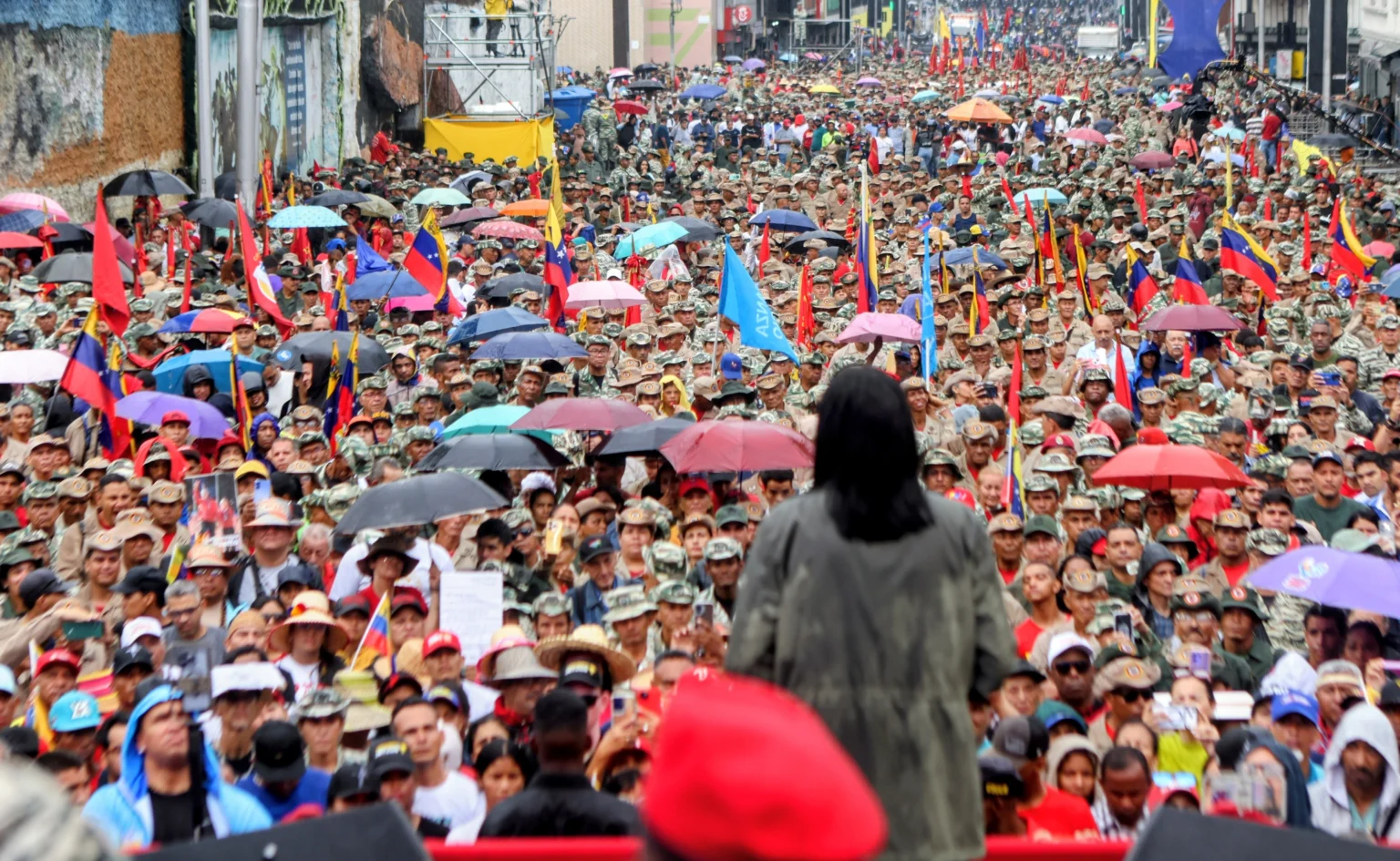
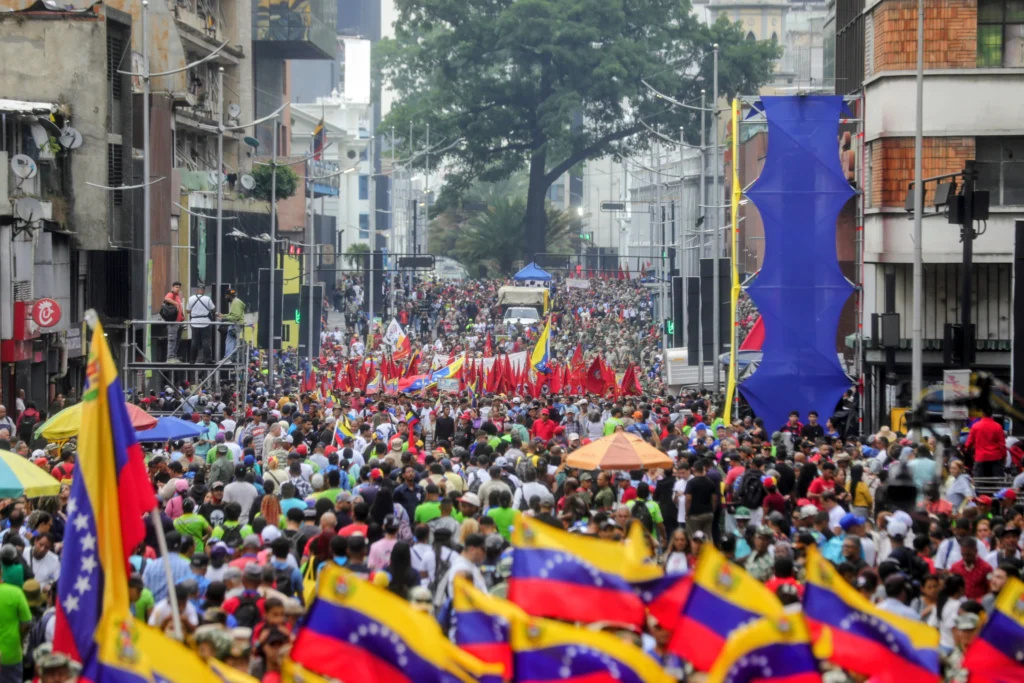
Caracas witnessed widespread mobilizations this Monday as thousands commemorated the Day of National Dignity, spearheaded by the United Socialist Party of Venezuela (PSUV, in Spanish), reaffirming the profound loyalty of its militancy and the enduring legacy of Commander Hugo Chávez.
This day of remembrance underscores the nation’s unwavering commitment to self-determination and the principles of the Bolivarian Revolution.
The march served a dual commemorative purpose, also celebrating the Day of the Bolivarian Milicia, a testament to the popular armed forces’ role in safeguarding national sovereignty. This dual celebration highlights the deep intertwining of civilian and military components in Venezuela’s defense strategy. The massive turnout reaffirmed the nation’s resolute determination to stand firm against fascism and foreign tutelage, vociferously defending its inherent right to autodetermination and peace.
During the 2002 coup, hegemonic media aligned with the destabilization plan deliberately concealed the truth that snipers, strategically positioned in buildings, fired upon demonstrators to falsely incriminate Chávez’s government. This tactic of media warfare aimed to fabricate an environment of chaos that would justify external intervention in Venezuela’s internal affairs, a recurrent pattern in the region’s history. This historical context provides crucial insight into the ongoing challenges of disinformation and manipulation faced by nations striving for self-determination.
The march served a dual commemorative purpose, also celebrating the Day of the Bolivarian Milicia, a testament to the popular armed forces’ role in safeguarding national sovereignty. This dual celebration highlights the deep intertwining of civilian and military components in Venezuela’s defense strategy. The massive turnout reaffirmed the nation’s resolute determination to stand firm against fascism and foreign tutelage, vociferously defending its inherent right to autodetermination and peace.
Photos: Venezuelan Presidential Press.
Foreign Minister Yván Gil also highlighted this historic date, describing it as a day of dignity, collective memory, and triumph for Bolívar’s homeland. In a message on his Telegram account, Gil wrote, “It was on this day that the courage and spirit of resistance of our people managed to rescue Commander Hugo Chávez, as well as the democracy and sovereignty of our nation.” These statements reinforce the narrative of popular empowerment and the successful defense of constitutional order against destabilizing forces. The 2002 coup attempt serves as a foundational moment in the Bolivarian Revolution’s history, embodying the struggle against external interference and internal subversion.
Text reads: “The Bolivarian Government is proud to commemorate the Day of the Bolivarian Militia, which is celebrated every April 13 to pay tribute to the courage, discipline and commitment of those who are part of this noble institution in defense of the Homeland and the Venezuelan people. The Bolivarian Militia is a palpable example of popular organization, community, patriotism and a deep awareness of national sovereignty.”
The Venezuelan people, through their presence in the streets, reiterated that the defense of their homeland and the enduring legacy of Hugo Chávez remains non-negotiable.
This April 13, 24 years later, the victims of fascism are remembered within a context of continuous resistance against the interference of the United States, a power implicated in that historical rupture and which has maintained sustained aggression against national sovereignty over the decades. The unabated tactics of external destabilization evidence a consistent imperialist pattern, which Venezuela consistently denounces.
Diosdado Cabello, United Socialist Party of Venezuela’s First Vice President, emphasized that this impressive display of popular mobilization reflects the Revolution’s vibrant historical memory. Cabello powerfully recalled the pivotal events of April 2002, when the united people and loyal soldiers heroically restored Chávez to power in less than 48 hours following his brief overthrow. He unequivocally declared this historical feat as the foundational pillar of Venezuelan sovereignty today, stressing its vital role in shaping the nation’s contemporary identity and its steadfast defense against external interference.
This annual commemoration is not merely a look back at history but a powerful reaffirmation of Venezuela’s ongoing struggle for sovereignty and social justice. It reinforces the Bolivarian government’s commitment to Chávez’s ideals, particularly the empowerment of the masses and the resistance against any form of imperialist intervention.
The participation of Acting President Delcy Rodríguez and other high-ranking officials underscores the institutional backing for this popular expression of dignity and resilience. The march serves as a clear message to both domestic and international audiences that the Venezuelan people remain steadfast in their pursuit of an independent and socialist future, built upon the foundations laid by their historical leaders.
The mobilization on this significant anniversary ratifies the unwavering will of a nation that remains committed to the fight against fascism and foreign tutelage, vehemently defending its inherent right to self-determination and peace.
Venezuela demonstrates, once again, that popular resistance stands as the most potent shield against any attempt at domination. This continuous reaffirmation of popular power serves as a cornerstone of Venezuela’s geopolitical stance, highlighting its resolve to build a sovereign and independent future.
[ SOURCE: teleSUR ]
