

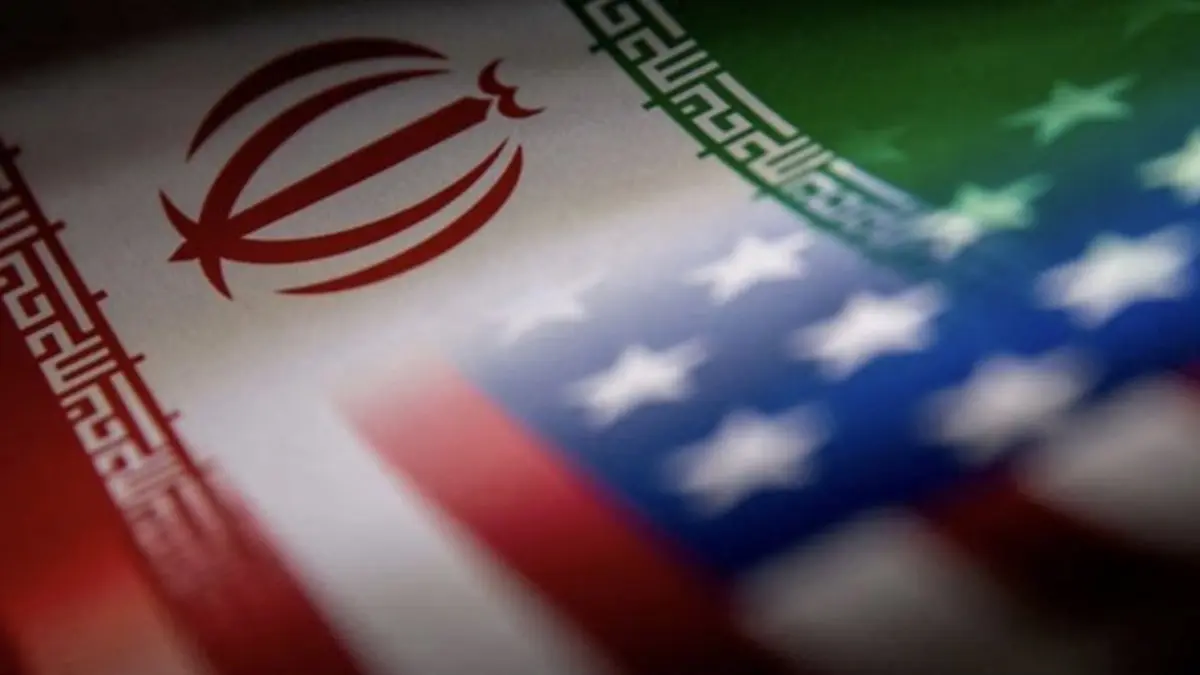
On Sunday, Iranian Deputy Foreign Minister Kazem Gharibabadi said that negotiations on a final U.S.-Iran peace deal would continue for 60 days and would focus primarily on the lifting of sanctions against the Persian nation.
RELATED:
Economic Disruptions To Persist for Some Time After the U.S.-Iran Deal
He specifically stated that the next phase of negotiations would take place only after the unfreezing of Iranian assets, the end of the U.S.-led blockade, and the formal end of the war.
“The text of the memorandum of understanding will be published shortly, and the public will be able to see Iran’s achievements and commitments,” he said, as reported by Iran International.
Currently, U.S. sanctions prevent Iran from accessing financial resources totaling US$24 billion, U$12 billion of which should be made immediately available to Tehran before the start of the working sessions.
Speaking to the press on Monday, however, Vice President JD Vance said that the U.S. and Iran had already “virtually” signed the peace agreement and that Iranian financial assets would not be released.
“We already signed the deal digitally yesterday, and no money has been released. That won’t change. This is a performance-based thing,” he told ABC television when asked whether Tehran would receive any assets upon the signing of the agreement.
Vance also suggested that Iran could gain access to about US$300 billion for its reconstruction, which would be financed by the Gulf states and not by the United States.
“So we absolutely are open to the Gulf Coast countries investing in the reconstruction of Iran, but only if Iran ends their nuclear program, ends their enriched stockpile of material, and it’s really open to an inspections and enforcement regime that gives the American people confidence they’re never going to have a nuclear weapon,” he said.
[ SOURCE: teleSUR ]
